
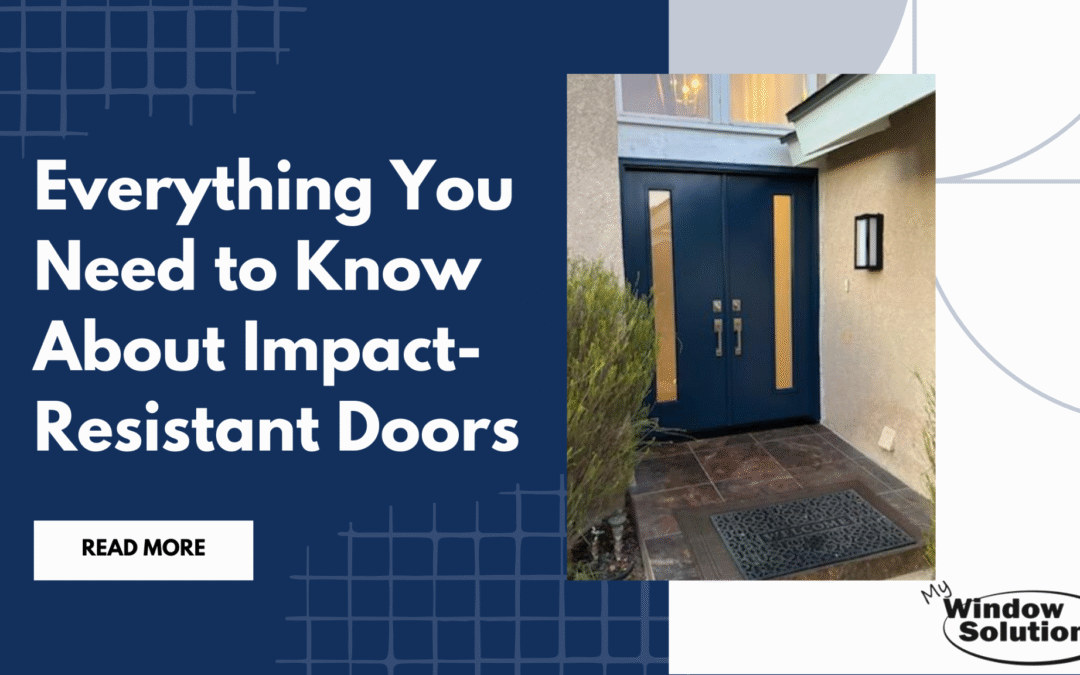
- Impact-resistant doors protect homes from severe weather, debris, and forced entry while maintaining the visual style of different architectural designs.
- These doors use reinforced materials, laminated glass, and tested construction methods to improve durability, energy control, noise reduction, and security.
- Proper selection and professional installation help homeowners gain long-term performance, code compliance, and added property value without changing the home’s character.
A front door does more than close an opening. It defines the entry. It sets expectations. It supports safety, comfort, and long-term value. Impact-resistant doors add another layer of purpose. They protect homes from severe weather, flying debris, and forced entry. Many homeowners still view them as specialty products for coastal zones only. That view limits their true value.
Impact-resistant doors now serve a wider range of homes. Builders specify them for storm-prone regions. Designers choose them for strength without bulky visuals. Homeowners select them for durability and lower upkeep. This guide explains how these doors work, how they differ from standard options, and how they fit into different architectural styles. Each section focuses on clarity and depth without repetition.
Understanding What Impact-Resistant Doors Are
Impact-resistant doors handle sudden force without breaking apart. Manufacturers design them to withstand debris driven by high winds. Testing simulates real storm conditions. Large objects strike the surface at speed. Pressure changes push and pull on the structure.
Standard doors can crack, splinter, or blow inward. Impact-rated designs hold their shape. They stay anchored. The door skin absorbs force. The internal core spreads energy across the panel. Reinforced frames keep the unit seated in the opening.
These doors often appear similar to traditional models. The difference lies beneath the surface. Multi-layer construction, heavy-duty hardware, and laminated glass define their structure. Many options meet strict regional building codes without changing the home’s appearance.
Why Impact Resistance Matters Beyond Storm Zones
Many people connect impact resistance with hurricanes only. That narrow view misses broader benefits. Severe storms now affect inland areas more often. Straight-line winds, hail, and fallen branches cause damage far from the coast.
Impact-rated doors also help with security. Reinforced cores resist kicks and blunt force. Laminated glass stays bonded even after cracking. This delay reduces intrusion risk.
Temperature control improves as well. These doors use tight seals and dense materials. Air leakage drops. Interior comfort stays more stable during heat waves or cold snaps.
Noise reduction adds another benefit. Thick panels and laminated glass reduce sound transfer. Homes near busy streets or active neighborhoods gain quieter interiors.
Materials Used in Impact-Resistant Doors
Material choice affects strength, appearance, and upkeep. Impact-rated products use several material combinations. Each option suits different homes and climates.
Fiberglass Construction
Fiberglass doors rank high for strength and stability. The material resists warping and swelling. Moisture exposure causes fewer issues than wood. Manufacturers mold detailed textures into the surface. Many models mimic natural grain patterns.
The internal core usually includes reinforced stiles and rails. Some designs add steel plates around lock areas. This structure improves resistance against force.
Fiberglass suits many architectural styles. Craftsman, farmhouse, and transitional homes pair well with wood-look finishes. Smooth panels work for modern designs.
Steel-Based Designs
Steel impact doors use heavy-gauge skins over reinforced cores. This structure provides strong resistance against impact and intrusion. The surface accepts paint well. Clean lines suit contemporary or industrial homes.
Steel can dent under extreme force. Quality models include thicker gauges and internal bracing. Proper installation matters. A strong door still needs a solid frame and correct anchoring.
Composite and Hybrid Options
Some doors combine materials. Fiberglass skins may wrap composite cores. Aluminum frames may support laminated glass panels. These hybrids balance strength, appearance, and performance.
Composite designs often suit coastal or humid regions. They resist corrosion and moisture-related damage. Designers value their flexibility in color and profile options.
Laminated Glass and Its Role in Impact Doors

Glass inserts add light and style. Impact-resistant doors use laminated glass instead of standard panes. Two or more glass layers bond to an interlayer. This layer holds shards together after breakage.
During impact testing, debris strikes the glass. Cracks form. The panel stays intact. Wind pressure then cycles against the door. The bonded layer prevents blow-through.
Laminated glass also blocks UV rays. Interior furnishings receive less sun damage. Sound reduction improves due to the layered structure.
Design options vary. Clear glass works for modern entries. Decorative patterns suit traditional homes. Frosted panels offer privacy without blocking daylight.
How Impact Ratings and Testing Work
Impact-resistant doors follow strict testing standards. Laboratories simulate real storm events. Large projectiles strike the door surface. Pressure chambers apply positive and negative forces.
Ratings vary by region. Coastal areas often follow stricter codes. Inland regions may accept lower ratings. Labels identify compliance levels.
Homeowners should review local building requirements. Insurance providers may offer incentives for rated products. Documentation matters for permits and inspections.
Testing does not focus on panels alone. Frames, hinges, and locks undergo evaluation as a complete unit. A strong slab fails without proper support.
Installation and Structural Support
Even the best door fails with poor installation. Impact-rated systems rely on correct anchoring. Installers secure frames into structural members. Fastener type and spacing follow the tested guidelines.
Shims support alignment. Sealants protect against air and water infiltration. Hardware installation requires precision. Hinges and locks must sit flush and tight.
Professional installation protects performance and longevity. Trained teams understand load paths and building envelopes. They adjust for wall conditions and existing openings.
Design Compatibility With Architectural Styles
Impact-resistant doors no longer limit design choices. Manufacturers now offer styles that align with many architectural traditions.
Traditional and Colonial Homes
Paneled designs with sidelights fit classic façades. Divided glass patterns echo historical proportions. Neutral colors or deep hues suit brick and clapboard exteriors.
Laminated glass maintains the appearance of traditional glazing. Reinforced cores stay hidden behind familiar profiles.
Craftsman and Bungalow Styles
Craftsman entries favor solid forms and natural textures. Impact-rated fiberglass doors with wood-grain finishes match exposed beams and wide porches. Small glass panels near the top preserve privacy while adding light.
Hardware choices matter here. Simple metal finishes complement handcrafted details.
Modern and Contemporary Designs
Clean lines define modern homes. Flush panels and minimal hardware work well. Large glass sections often appear in entry doors. Laminated glazing supports this look without sacrificing strength.
Dark finishes like black or charcoal create contrast against light façades. Slim frames maintain visual balance.
Mediterranean and Coastal Architecture
Arched forms and textured surfaces define these homes. Impact-rated doors now include arched profiles and decorative glass options. Composite materials resist moisture and salt exposure.
Warm tones pair well with stucco walls and tile roofs. Iron accents add character without weakening structure.
Energy Performance and Climate Control
Impact-resistant doors often support energy goals. Dense cores reduce heat transfer. Tight seals limit drafts. Laminated glass improves insulation compared to single-pane inserts.
Homes benefit during extreme weather. Indoor temperatures stay more stable. HVAC systems run less often. Utility costs may drop over time.
Climate matters when selecting specifications. Hot regions benefit from solar-reflective coatings. Cooler areas need higher insulation values. Door orientation also affects performance.
Maintenance and Long-Term Durability
Durability defines the appeal of impact-rated products. These doors resist common wear issues. Fiberglass does not rot. Steel resists cracking. Composite materials hold shape.
Routine care keeps surfaces looking fresh. Mild soap and water clean most finishes. Hardware lubrication prevents stiffness. Seal inspection helps catch early wear.
Painted surfaces may need touch-ups after many years. Quality finishes last longer with minimal fading. Proper care extends service life.
Security Benefits Beyond Weather Protection
Impact-resistant doors support home security. Reinforced frames and cores resist forced entry. Multi-point locking systems add strength. Laminated glass delays break-ins.
Visibility also plays a role. Clear glass panels allow monitoring of entry areas. Frosted options maintain privacy while admitting light.
Many homeowners pair these doors with smart locks or access systems. Technology integration adds convenience without altering structure.
Cost Considerations and Value
Impact-rated doors cost more than basic models. The price reflects materials, testing, and construction. Long-term value offsets upfront expense.
Reduced repair risk after storms saves money. Insurance discounts may apply in some regions. Lower energy costs add savings over time.
Property value may benefit as well. Buyers often view reinforced entries as upgrades. The door serves as both a feature and protection.
Choosing the Right Impact-Resistant Door
Selection involves several factors. Style should match the home. Material should suit the climate. Glass options should balance light and privacy.
Measurements must remain precise. Custom sizing may be required for older homes. Hardware choices affect daily use and appearance. Consultation with experienced professionals helps narrow options. They assess structural needs and design goals. Their guidance avoids costly mistakes.
Building Code Compliance and Permits
Local codes govern impact-rated installations. Requirements vary by zone. Some areas mandate specific ratings for entry doors.
Permit processes often require documentation. Product labels and test reports support approval. Installers handle this step in many cases.
Compliance protects homeowners during inspections and resale. Records show adherence to safety standards.
Integrating Impact Doors Into Renovation Projects
Renovation offers a good time for upgrades. Entry replacements often occur alongside window updates or exterior changes.
Consistency matters. Door style should align with nearby openings. Color and finish choices should complement trim and siding.
Structural changes may require framing adjustments. Professionals manage these transitions without disrupting the building envelope.
Common Myths About Impact-Resistant Doors
Some homeowners avoid impact doors due to misconceptions. Many believe they look bulky or industrial. Modern designs prove otherwise.
Others assume they belong only in coastal zones. Weather patterns now affect wider regions. Protection benefits many locations. Some worry about maintenance complexity. Most impact-rated products require no extra care beyond standard doors.
Future Trends in Impact Door Design
Manufacturers continue to refine designs. Thinner profiles appear without losing strength. New finishes mimic natural materials more closely.
Glass technology evolves as well. Improved interlayers boost clarity and sound control. Smart features integrate more seamlessly. Sustainability gains attention. Recycled materials and efficient production methods grow in use. Longevity remains a priority.
Final Thoughts on Impact-Resistant Doors
Impact-resistant doors combine protection, design, and performance. They serve as barriers against the weather and intrusion. They support comfort and efficiency. Modern options suit many architectural styles without compromise.
Careful selection and professional installation define success. Homeowners gain durable entries that perform year after year. The door becomes part of the home’s long-term structure rather than a weak point.
Discover windows and doors that align with your home’s design and daily needs. My Window Solutions brings product knowledge, quality materials, and skilled installation together for lasting results. Reach out to us to begin your next home upgrade.